Chlorine is a common chemical used in swimming pools to kill bacteria and keep the water clean, but it is not very friendly to your hair. Whether you are a frequent swimmer or just enjoy an occasional dip, exposure to chlorinated water can lead to dry, dull, and damaged hair over time.
In this guide, we will explain how chlorine affects your hair, how to protect it, and how to restore its health after damage.
Chlorine is a strong oxidizing agent that disrupts the natural structure of hair by targeting keratin, the main protein in hair strands. It also damages the protective cuticle layer, making hair more vulnerable.
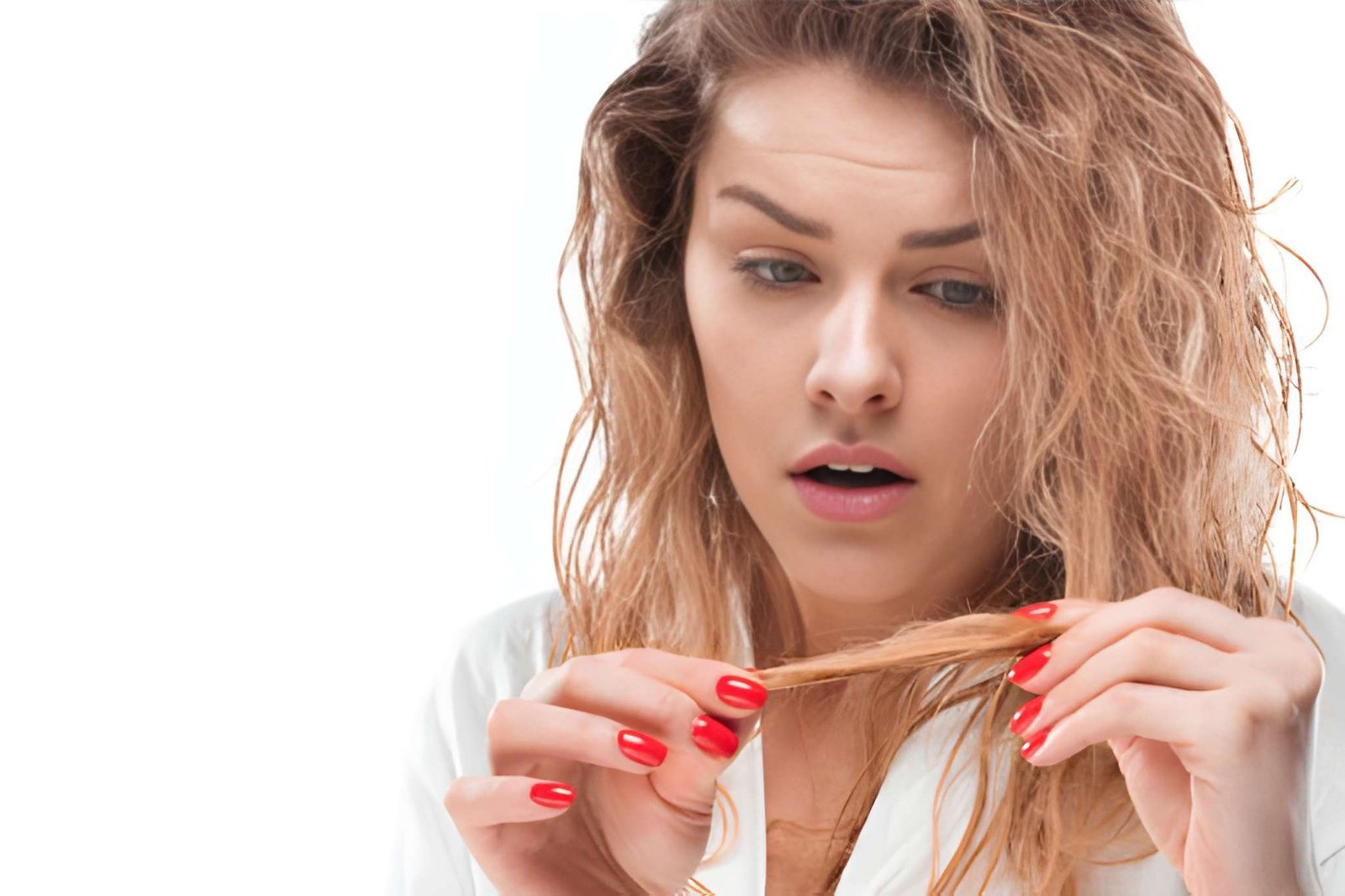
Chlorine removes the natural oils that keep hair soft and shiny, leaving it dry, rough, and brittle.
Repeated exposure weakens hair proteins, leading to split ends, breakage, and thinning.
Colored hair fades faster when exposed to chlorine, often becoming dull and uneven in tone.
Chlorine can dry out the scalp, causing itching, flakiness, and dandruff.
Soaking your hair with clean water reduces chlorine absorption.
Applying coconut oil or argan oil creates a protective barrier around the hair.
A swim cap helps reduce direct exposure to chlorinated water.
Wash your hair after swimming to remove chlorine and chemical buildup.
Always rinse hair with fresh water right after swimming to minimize damage.
Use a deep conditioning mask once a week to restore moisture.
Protect your hair from both chlorine and sun damage when swimming outdoors.
Use shampoos and conditioners designed specifically for swimmers.
Limit the use of straighteners and curling irons after swimming.
Use masks with aloe vera, shea butter, or coconut oil to restore moisture.
Help rebuild weak hair structure and reduce breakage.
Regular trims prevent further damage and improve hair appearance.
Gentle shampoos help maintain natural oils and reduce dryness.
Healthy hair recovery requires regular care and patience.
Yes, with consistent care such as deep conditioning and protein treatments, much of the damage can be repaired.
Chlorine itself does not turn hair green. Copper and other metals in pool water cause the green tint, especially in light-colored hair.
Use baking soda mixtures or clarifying shampoos to remove metal buildup.
Rinse immediately after swimming and use clarifying shampoo every few swims.
No, it reduces exposure but does not fully prevent chlorine contact.
Yes, it forms a protective layer that reduces chlorine absorption.
Chlorine may be necessary for pool hygiene, but it can seriously damage your hair if proper care is not taken. With the right protection methods and repair routines, you can enjoy swimming without sacrificing hair health.
If you are looking for better water protection at home, using a shower filter Saudi Arabia solution can also help reduce chlorine exposure in daily showers and support healthier hair overall.
Consistent care, proper products, and smart protection techniques will help keep your hair strong, shiny, and healthy even after frequent swimming sessions.
For better water quality and healthier hair every day, many households trust Blue Oasis Filter as a reliable choice.