The quality of shower water can affect how your skin and hair feel after bathing. Chlorine, sediment, minerals, and other substances may contribute to dry-feeling skin, rough hair, unpleasant odours, or a less comfortable shower experience. A shower filter in Saudi Arabia can provide an additional filtration step and may help improve the quality of water coming through your shower.
However, shower filters are not all the same. Understanding how they work, what they can reduce, and what they cannot remove will help you choose the right option for your home.
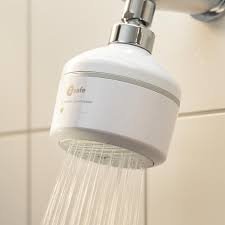
A shower filter is a filtration device installed between the shower connection and shower head, or incorporated directly into a filtered shower head. Water passes through filtration media before reaching your skin and hair.
Depending on the product, filtration media can include activated carbon, KDF, calcium sulfite, vitamin C, and other materials. Each type works differently and targets specific substances.
A shower filter is designed for bathing water. It should not be considered a replacement for a dedicated drinking-water filtration system.
Your shower water comes into contact with your skin and hair every day. If you notice dryness, roughness, chlorine odour, or an unpleasant feeling after showering, filtration may be worth considering.
A suitable shower filter can help reduce certain targeted substances and create a more comfortable daily shower routine. The actual benefits depend on the quality of your water and the filtration technology used.
One of the most common purposes of a shower filter is chlorine reduction. Chlorine is used to disinfect treated water, but some people find that exposure during regular showers contributes to dry-feeling skin or rough-feeling hair.
Filtration media such as KDF, calcium sulfite, and activated carbon are commonly used in shower filtration systems to target chlorine. The effectiveness depends on the specific product and its design.
Your skin is exposed to shower water every day. Water containing chlorine and other substances may leave some people with skin that feels tight or dry.
Reducing targeted substances can help create a more comfortable bathing experience and complement a regular skincare routine. A shower filter is not a treatment for a medical skin condition, and results can vary from person to person.
Hair can also be affected by the characteristics of shower water. Chlorine and other impurities may contribute to dryness or a rough texture.
A suitable filter may help reduce substances that affect the feel of your hair, potentially making it feel cleaner and easier to manage after washing.
This is one of the most important points to understand before purchasing a shower filter in Saudi Arabia.
Hard water is caused mainly by dissolved minerals such as calcium and magnesium. Most standard shower filters do not actually soften hard water because they are not designed to remove these dissolved minerals.
A shower filter can still be useful if your main concerns are chlorine, odour, sediment, or certain impurities. However, if your primary problem is significant limescale caused by hardness minerals, a dedicated water-softening system may be more appropriate.
KDF is a copper-zinc filtration medium commonly used in shower filters. It can help target chlorine and certain metals and is suitable for warm shower water.
Activated carbon can help reduce chlorine, odours, and certain organic compounds. Its effectiveness can vary depending on water flow, temperature, and the amount of carbon used.
Calcium sulfite is another filtration medium commonly used for chlorine reduction and can perform effectively in warm water.
Some shower filters use vitamin C to neutralise chlorine. If you are considering this type of filter, check the manufacturer’s specifications and performance information before purchasing.
Before buying, consider several important factors:
Filtration media: Check exactly what materials are used and what they are designed to reduce.
Chlorine reduction: Look for specific performance information instead of relying only on general marketing claims.
Water flow: Make sure the filter can maintain a comfortable shower flow without unnecessarily reducing pressure.
Filter lifespan: Check how long the cartridge is expected to last and how often it needs replacement.
Compatibility: Confirm that the filter fits your existing shower connection.
Replacement cost: Consider the long-term cost of replacement cartridges, not just the initial purchase price.
Every cartridge has a limited capacity. Replacement frequency depends on the filter type, household usage, water conditions, and manufacturer’s recommendations.
A reduction in water flow or noticeable change in performance can indicate that the cartridge needs attention. Following the manufacturer’s recommended replacement schedule helps maintain consistent filtration.
A shower filter and a water softener serve different purposes.
A shower filter is generally a point-of-use system designed to reduce substances such as chlorine and certain impurities. A true water softener uses a different process to address calcium and magnesium hardness throughout the water supply.
If your main concern is chlorine or unpleasant shower water, filtration may be suitable. If your primary concern is extensive limescale and mineral hardness, consider a dedicated softening solution.
A shower filter in Saudi Arabia can be a practical bathroom upgrade for households looking to improve their everyday shower experience. The right filter may help reduce chlorine and other targeted impurities while supporting healthier-looking skin and softer-feeling hair.
Before choosing a product, compare its filtration technology, performance information, water flow, cartridge lifespan, compatibility, and maintenance requirements. Most importantly, understand the difference between filtration and water softening so you choose a solution that matches your actual water-quality concerns.
With the right product and regular cartridge replacement, a shower filter can become a useful part of your daily shower routine.