Chlorine is commonly used to disinfect public water supplies and help control harmful microorganisms. While it plays an important role in maintaining water safety, some households are concerned about its presence in everyday shower water. Regular exposure to chlorinated water may affect how skin and hair feel, particularly for people with sensitive skin or existing dryness.
For families in Saudi Arabia, understanding chlorine in shower water can help them make informed decisions about bathroom water quality. A suitable shower filter may help reduce chlorine exposure, depending on its filtration technology and performance.
Chlorine is added to many public water supplies as part of the disinfection process. Its main purpose is to control harmful bacteria, viruses, and other microorganisms that could cause waterborne illnesses.
Water treatment authorities maintain disinfectant levels to help ensure water remains safe as it travels through distribution systems.
However, some chlorine may remain in treated water when it reaches your home. This means you can encounter chlorine not only when drinking or washing dishes but also when taking a shower.
The amount of chlorine can vary depending on the water supply, treatment process, and distribution conditions.
Showering with chlorinated water is generally considered safe at normal drinking-water treatment levels. However, some people may notice changes in how their skin feels after bathing.
Here are some possible concerns.
Some people experience dry or tight-feeling skin after showering. Hot water, frequent bathing, harsh soaps, and individual skin sensitivity can all contribute to dryness.
Chlorine exposure may also contribute to irritation in certain individuals.
People with sensitive skin may notice discomfort after exposure to different environmental factors, including certain cleansing products and water conditions.
If your skin regularly feels irritated, consider using gentle, fragrance-free products and lukewarm water.
People with eczema often have a weakened skin barrier. They may be more sensitive to environmental triggers and changes in their bathing routine.
Although chlorine is not a proven cause of eczema, reducing unnecessary irritation may help support a comfortable skincare routine.
Water quality can also influence how your hair feels after washing.
Some people notice that their hair feels dry or rough after regular washing. Chlorine exposure may contribute to dryness, although shampoo, heat styling, and hair type also play important roles.
Hair can lose its smooth appearance because of product buildup, environmental exposure, and frequent washing.
Reducing certain unwanted substances in shower water may help some people improve their hair-care experience.
People with sensitive scalps may experience dryness or irritation from different hair-care products and environmental factors.
If scalp irritation continues, consider reviewing your shampoo and consulting a dermatologist.
Many people worry that chlorine in shower water causes hair loss. However, there is insufficient evidence that normal household chlorine exposure directly causes hair fall.
Hair loss can have several causes, including genetics, hormonal changes, nutritional deficiencies, stress, and medical conditions.
Different family members may have different levels of skin and scalp sensitivity.
Children, adults, and older family members may all have individual skincare needs.
Some people may experience dryness after frequent showers, while others may not notice any difference.
Families with members who have sensitive skin may want to consider:
Remember that properly treated household water is disinfected for an important public-health reason. Removing disinfectant from water throughout the home is not necessarily appropriate.
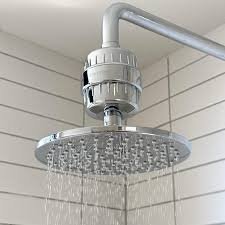
Yes, certain shower filters are designed to reduce free chlorine in shower water.
However, their effectiveness depends on the filtration materials, water temperature, flow rate, and contact time.
Some common filtration materials include:
Activated Carbon: Certain activated carbon filters can reduce free chlorine under suitable operating conditions.
KDF Media: Some KDF filtration systems are designed to reduce chlorine and other specific substances.
Combination Filtration: Some shower filters combine different materials to target multiple water-quality concerns.
Before purchasing, check whether the manufacturer provides reliable testing results for chlorine reduction.
If you are considering a shower filter in Saudi Arabia, look at these important features:
A shower filter should match your actual water-quality concerns rather than simply offering the largest number of filtration stages.
Blue Oasis Shower Filter is an option to explore if you want to add filtration to your family’s daily shower routine.
Before purchasing, review its filtration specifications, chlorine-reduction performance, installation requirements, and cartridge replacement instructions.
Choosing a filter with clearly documented performance helps you understand what it can realistically achieve.
A suitable shower filter may help reduce certain substances in shower water, but it should not be considered a treatment for skin conditions or hair loss.
Alongside suitable filtration, a few everyday habits can help make showering more comfortable:
Chlorine plays an important role in keeping public water supplies disinfected. Although normal household exposure is generally considered safe, some people may experience dryness or discomfort depending on their skin sensitivity and showering habits.
A suitable shower filter can help reduce free chlorine when it has the appropriate filtration technology and verified performance.
For families concerned about shower water quality, Blue Oasis Shower Filter is worth exploring. Compare filtration capabilities, product specifications, and maintenance requirements before choosing the right solution for your home.